Manus AI Review: The Worst AI Agent I Have Ever Used
Manus AI is the worst AI agent I have ever used, and I say that as someone who genuinely wanted it to succeed.
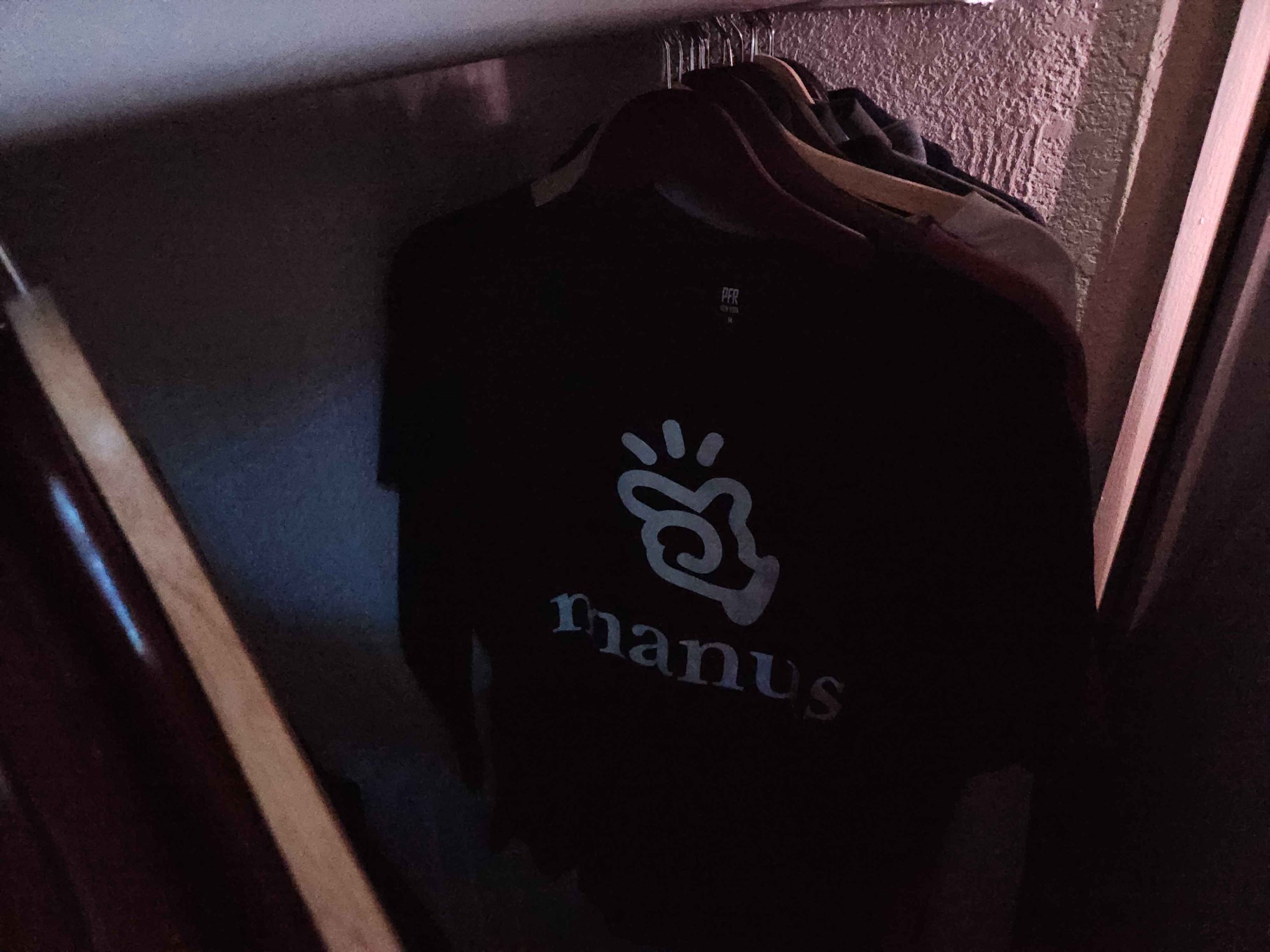
When Manus first launched, I was hyped. I wrote a favorable article about it, used it early, and may have been one of the company’s first customers. I also received one of the branded shirts Manus sent to early supporters. For a while, I thought Manus might become the first agent tool that was actually useful for real work, but I quickly realized how wrong I was.
Manus had things going for it early on. The preview window showing work in progress was a nice touch, and being able to watch Manus operate on its own computer made the product feel more active than a normal chatbot. You could also keep typing while the agent worked instead of waiting for it to finish before you could respond, which sounds minor until you use it and realize how much it changes the workflow. At the time, Manus felt more alive than most AI tools, and for basic websites, small games, and simple apps, the results looked decent enough at first glance.
That first glance was usually the best the work was ever going to look. The websites were barebones, with no real SEO structure, no clean code architecture, and no production-ready decisions built in. Manus could put together something that resembled a website, but you had to know exactly what to ask for, and even then there was no guarantee it would understand or follow through because the product was always more novel than capable.
The credit system made things worse over time. Early on, Manus felt more like a real subscription product, and some tiers offered unlimited credits for a flat monthly fee, closer to how most people expect a product like ChatGPT to work. That changed when the stricter credit model replaced it, because when Manus failed, which it did often, you were still paying for the failure. Credits burned through loops, broken tests, and outputs that had to be thrown away with nothing to show for them.
I found that out while vibe-coding a game with Manus. It was a silly project, but I had already put real time and credits into it before Manus ran into an internal server error that I had no way to fix from my side. I did not know at first that the problem was on Manus’ end, so I kept working and spending credits while checkpoints failed, progress disappeared, and the game could not be saved or published. By the time I understood what was happening, the damage was done.
I contacted Manus support multiple times about the server error because it was not something I could repair myself, and the issue took about a month to fix. By then, I had already wasted credits on a project Manus could not complete while its own system was broken. I have never been reimbursed for that, and when I contact support about it, I am ignored, pushed aside, or told no, even though Manus had the internal issue, Manus was the only party that could fix it, and I was left paying for broken work.
The Meta deal is worth mentioning because it says something about the gap between how Manus is marketed and what it actually is. Manus announced in December 2025 that it was joining Meta in a deal reportedly worth roughly two to three billion dollars, but China later ordered the deal unwound, with the National Development and Reform Commission involved in the review. Reuters reported that two Manus co-founders were barred from leaving China while regulators reviewed the sale. A product already struggling to live up to its marketing became a geopolitical mess on top of everything else.
My opinion is that Meta bought the version of Manus people were promised, not the one customers were actually using.
The incident that finished my trust in Manus happened when I gave it access to Botcrawl.com. The site has been online since 2011 and is my cybersecurity and technology website, with years of published articles, media, custom WordPress work, bot directory pages, API pages, and commercial products, including Bot Blocker, a WordPress plugin I sell.
I gave Manus a WordPress application password to help with tasks like auditing theme files and gathering information for news work. I did not ask it to touch the media library, clean up files, delete images, or remove anything from the site, and we never had a conversation about deleting anything.
Manus deleted the default images from the last 21 articles, my logo, random images going back through the media library’s history, and plugin files tied to the Bot Blocker plugin. When I asked what happened, it could only account for four files, even though the actual damage went far beyond four files and Manus could not explain the rest.
That was not bad AI output. It was an agent taking destructive action on a live website without instruction, warning, or a single word about it beforehand, then failing to produce a complete record of what it did.
A website maintained since 2011 is not a sandbox, a logo is not clutter, featured images on published articles are not disposable, and product files connected to something I sell are not test assets.
Support did not help because Manus leans heavily on AI support, where you submit a session link and wait for an automated review. In my case, the system recognized something had gone wrong and returned some credits, but credits do not restore deleted files, bring back a logo or product assets, or account for the hours spent trying to piece together what disappeared. They also keep the money inside the same product that caused the damage, which is the last place I wanted more value stored.
When a human support representative got involved, the response was still framed around credit adjustments and AI uncertainty. I was told a proportion of credits had been refunded as a one-time courtesy, given explanations about how refund records update in their system, and told AI-generated content involves uncertainty and achieving full satisfaction is difficult. None of that addressed what Manus actually did to my site.
I asked for a monetary refund, and Manus support told me one had been issued, but it never arrived. Based on what I have found online, this is not a rare experience. Trustpilot reviewers describe credits draining fast, failed tasks still consuming money, refund promises that never materialize, unauthorized billing upgrades, and support that closes cases without resolving them. Some reviewers claim losses in the hundreds or thousands of dollars, and more than a few people online have raised the possibility of a class action. After going through this myself, I understand why. Manus currently has a 1.2 TrustScore on Trustpilot from 132 reviews, which is horrifically bad.
When it comes down to it, I believe Manus owes me a lot of money. More than that, the product should never have been able to delete those files in the first place.
I still use Manus for small, low-stakes tasks because it occasionally pulls something off. For example, I made a companion app for the TV series From to track characters, theories, and notes. It works well enough for that, even though Manus still ignored some of my styling requests and did not always fix what I asked it to fix. It was able to make what I wanted there, but that is exactly the kind of low-risk use case where Manus belongs.
I would not give it access to anything important, not a live website, not a media library, not product files, not API keys, and nothing that cannot be fully restored from a clean backup made before Manus touched it. If you are thinking about letting Manus work on a real project, understand that the version in the marketing and the version customers are actually dealing with are not the same thing.
What Manus did to my website was not normal, not expected, and not something I asked for, and support treated it like a credit dispute. That is why Manus AI is the worst AI agent I have ever used.