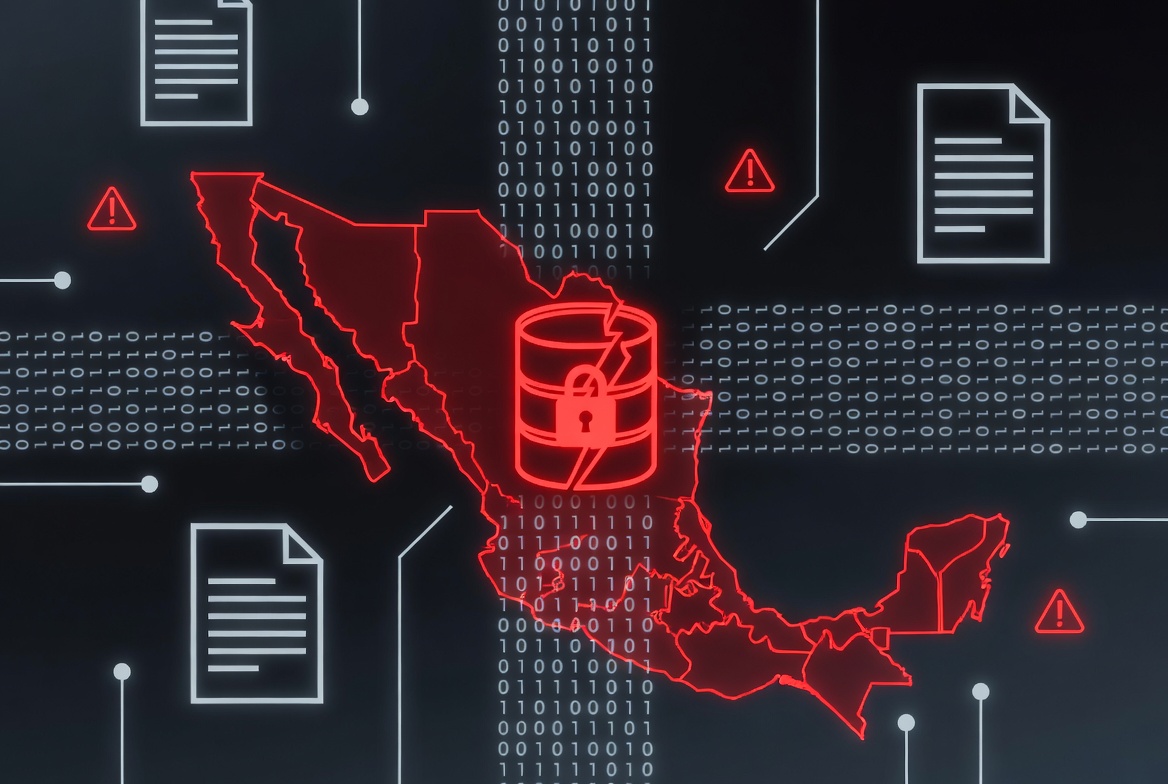

The Padrón Vehicular data breach is an alleged cybersecurity incident in which more than one million eight hundred thousand vehicle registration records tied to residents of Sinaloa were exposed on a dark web forum. A threat actor claims to have obtained and packaged the dataset in JSON format, suggesting that the breach may have occurred through an insecure API or a vulnerable public facing government portal rather than a typical database dump. The exposed dataset reportedly contains license plates, full names, addresses, RFC identifiers, vehicle models, and related ownership information, creating a high impact risk for individuals throughout the region.
The Padrón Vehicular data breach appears during a period of intensified criminal activity in Sinaloa, where organized groups increasingly rely on stolen vehicles, cloned registrations, and targeted kidnappings. The availability of nearly two million structured records provides adversaries with actionable intelligence that connects individuals to their assets and physical locations. Because vehicle registries function as core government systems and contain mandatory state level identification data, the exposure of this information has immediate consequences for personal safety, financial security, and public trust.
Background Of The Padrón Vehicular Data Breach
The Padrón Vehicular is the state administered registry that documents active vehicles, associated ownership details, and tax obligations. These systems typically integrate with verification platforms, revenue departments, law enforcement agencies, and vehicle inspection processes. In Mexico, state level vehicle registries often support online services for owners to verify plate status, pay registration fees, or check taxes. These services commonly rely on web portals and API endpoints that return structured data.
The Padrón Vehicular data breach reportedly consists of one million eight hundred ninety seven thousand seven hundred twenty nine records retrieved in JSON format. This format and scale strongly indicate that the attacker exploited a publicly accessible query mechanism or scraped an API endpoint lacking rate limits, authentication controls, or input validation. Several Mexican states have experienced similar exposures involving insecure plate verification services that return detailed personal data in response to unauthenticated requests. The JSON structure aligns with these patterns, suggesting that the breach may not have required deep intrusion but rather automated enumeration of predictable queries.
The timing of the Padrón Vehicular data breach corresponds with a noted rise in vehicle theft and cartel related operations within Sinaloa. Reports from local authorities and security analysts throughout late 2025 highlight increasing competition among criminal factions for control of logistics, extortion routes, and operational assets. Because vehicle registries connect high value vehicles to precise addresses, the exposure significantly expands the intelligence capabilities available to these groups.
Scope Of Information Exposed In The Padrón Vehicular Data Breach
The Padrón Vehicular data breach includes extensive personal and operational details that enable adversaries to profile vehicle owners, locate assets, and conduct targeted criminal activity. The dataset reportedly contains:
- License plate numbers
- Registered owner names
- Full residential addresses
- RFC identifiers
- Vehicle make, model, and year
- Neighborhood and locality details
- Registration and tax related metadata
Unlike typical consumer data breaches that expose email addresses or hashed credentials, the Padrón Vehicular data breach links individuals to physical property located at identifiable addresses. The structure of the data allows actors to create detailed geographic maps of vehicle ownership and to filter targets by neighborhood, asset value, or vehicle type. The dataset can also be combined with other breached sources, including electoral records or social media information, to create enriched profiles of residents throughout Sinaloa.
Risks Created By The Padrón Vehicular Data Breach
The Padrón Vehicular data breach introduces significant personal, operational, and financial risks across the affected region. The combination of residential information, vehicle attributes, and tax identifiers enables a wide spectrum of malicious activity.
Targeted Vehicle Theft And Cloning
Vehicle theft is a persistent issue in Sinaloa, driven in part by cartel requirements for transport, surveillance, and tactical mobility. Detailed registry data provides criminals with the ability to target high value vehicles, verify ownership locations, and plan theft operations without the need for physical reconnaissance. The Padrón Vehicular data breach also facilitates vehicle cloning, a practice in which stolen vehicles are altered to match the identity of legitimate vehicles. By using accurate plate numbers, models, and owner details, criminals can evade law enforcement checkpoints and automated verification systems.
Kidnapping And Extortion Threats
Mexican security analysts have long observed that organized crime employs profiling techniques to select targets for kidnapping, express extortion, and coercion. The Padrón Vehicular data breach effectively provides a demographic map of valuable assets tied to specific households. Criminal groups can correlate vehicle type and value with perceived wealth, increasing the likelihood of targeted attacks. Because the dataset includes home address information, the breach heightens the physical security risk faced by residents throughout the state.
Identity Theft And Administrative Fraud
The exposure of RFC numbers and personal data enables attackers to engage in tax related fraud, unauthorized vehicle registrations, or the creation of shell companies linked to unsuspecting victims. In recent years, cybercriminals in Mexico have increasingly exploited government issued identifiers to conduct administrative fraud across banking, taxation, and regulatory systems. The Padrón Vehicular data breach provides the exact elements required to replicate such schemes at scale.
Operational Intelligence For Criminal Networks
Vehicle ownership patterns reveal information about local businesses, logistics operations, and government personnel. Criminal organizations may use the Padrón Vehicular data breach to map routes, identify potential rival assets, or determine whether certain neighborhoods contain vehicles associated with law enforcement or municipal authorities. This intelligence can be used to plan ambushes, avoid surveillance, or disrupt public safety operations.
How The Padrón Vehicular Data Breach May Have Occurred
While the specific vulnerability has not been publicly confirmed, several indicators suggest that the Padrón Vehicular data breach resulted from automated scraping of an insecure endpoint rather than unauthorized access to the underlying database. State level vehicle payment portals and verification services frequently expose parameterized API routes intended to return registration results. If these routes lack authentication requirements or input validation, attackers can repeatedly query the endpoint using generated plate numbers or sequential identifiers to build large datasets.
JSON formatted leaks typically originate from API responses rather than internal database exports. The consistency of field structures in the Padrón Vehicular data breach also points to an interface designed for public or semi public queries. If rate limiting was absent, an attacker could retrieve hundreds of thousands of records using standard scripting tools over a short period. The breach may also involve a misconfigured developer endpoint inadvertently left accessible during system updates or public service expansion.
Mitigation Measures And Response Recommendations
The Padrón Vehicular data breach requires a combination of technical remediation, public awareness, and coordinated security measures to limit ongoing harm. Because the exposed data cannot be revoked, efforts must focus on preventing misuse and closing vulnerabilities that enabled the breach.
Secure API And Portal Reconfiguration
The responsible state authority must immediately audit all public facing endpoints associated with vehicle verification, tax payment, and registration systems. This includes implementing authentication requirements, rate limiting, input validation, and strict access controls. Any undocumented or legacy endpoints must be removed or restricted. Logs should be reviewed to determine whether scraping activity can be traced to specific IP addresses or timeframes.
Public Notification And Safety Guidance
Residents whose information appears in the Padrón Vehicular data breach should be informed of increased risks associated with targeted theft, extortion, and identity fraud. Government agencies should issue safety guidance encouraging individuals to verify their REPUVE status, monitor for unauthorized registration changes, and report suspicious activity involving their vehicle or address. High risk individuals may require additional protective measures or law enforcement coordination.
Financial And Administrative Monitoring
The exposure of RFC identifiers requires collaboration with financial institutions and regulatory agencies. Enhanced verification procedures may be necessary to prevent fraudulent tax filings or unauthorized vehicle transactions. Residents should monitor their SAT accounts and remain alert for government themed phishing communications referencing legitimate vehicle details.
Threat Monitoring And Criminal Use Tracking
Security teams should monitor dark web channels, encrypted messaging platforms, and criminal marketplaces for signs that the Padrón Vehicular data breach is being repackaged or weaponized. Tracking how the dataset circulates can help authorities identify emerging patterns, targeted campaigns, or attempts to combine the data with other breached sources for more sophisticated operations.
Long Term Implications Of The Padrón Vehicular Data Breach
The Padrón Vehicular data breach underscores systemic vulnerabilities within state administered registries and the broader public infrastructure supporting identity and asset management. As government services increasingly depend on online platforms, insecure APIs, outdated systems, and misconfigurations create opportunities for attackers to harvest sensitive data at scale.
The breach also highlights the intersection between cybersecurity and physical safety. In regions affected by organized criminal activity, the exposure of address linked asset data can directly translate to real world harm. Public confidence in digital governance systems depends on the perception that personal information is adequately protected. Incidents of this scale may prompt calls for federal level oversight, uniform security standards, and modernization initiatives across state vehicle registry systems.
The long term risk created by the Padrón Vehicular data breach remains ongoing. Attackers may continue analyzing the dataset for operational value, and residents may face recurring threats linked to the exposure of their personal and asset related information. Until comprehensive reforms are implemented, similar breaches in other states cannot be ruled out.
For additional reporting on government registry exposures and related cyber incidents, visit our data breaches and cybersecurity sections.
- GitHub Data Breach Confirmed After Poisoned VS Code Extension Exfiltrates Internal Repositories
- Vodafone Data Breach Claim Follows LAPSUS$ Data Leak
- Udemy Data Breach Resurfaces as 1.4M Records Circulate on Forum
- ClickUp Data Leak Shows $4B Came Before Customer Security for Over a Year
- Rheem Manufacturing Data Breach Claim Follows Reported INC Ransom Listing

Related Posts