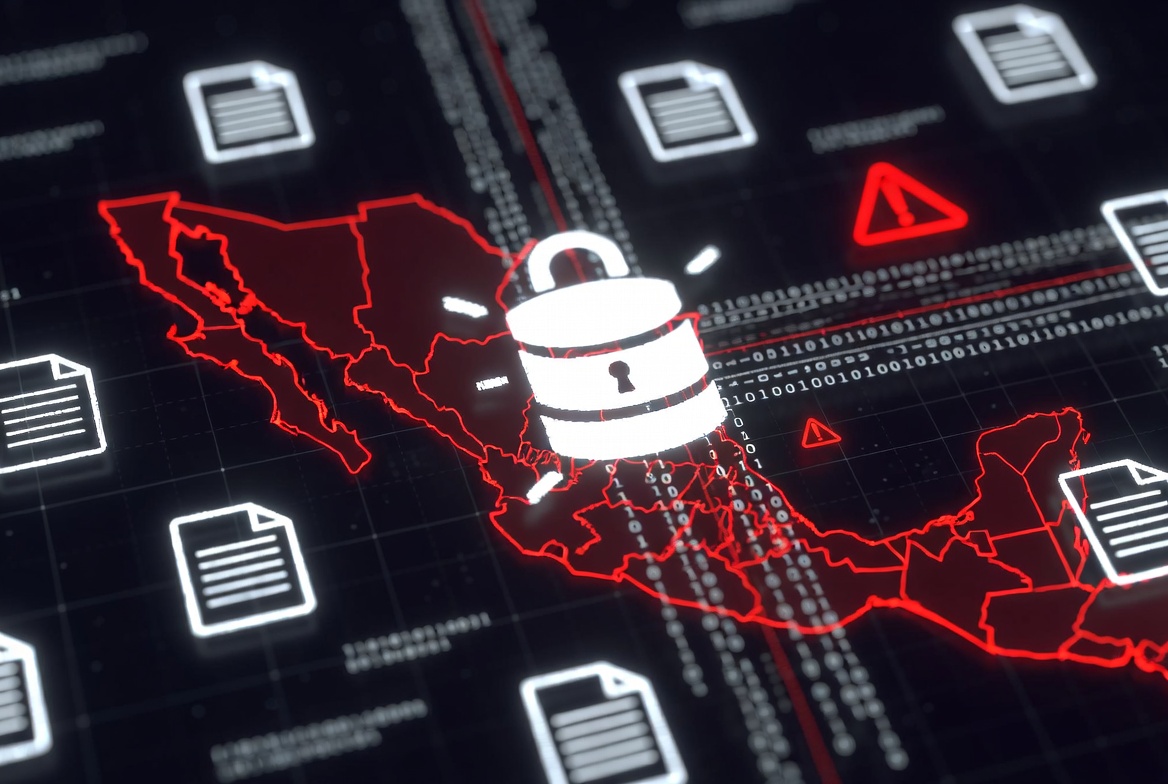

The Mexican officials asset declarations leak is an alleged exposure of more than eighteen thousand confidential records tied to Mexico’s legally required “Declaración de Situación Patrimonial y de Intereses,” a financial and personal disclosure system for public servants across federal, state, and municipal government. A threat actor known as Chronus Tg claims responsibility for releasing a .csv dataset containing 18,104 entries that document property holdings, income levels, bank information, liabilities, personal identifiers, conflicts of interest, and employment details. These filings are typically stored within platforms such as DeclaraNet or state administered transparency portals, and full versions are never publicly accessible. Their unauthorized release presents immediate physical, financial, and operational risks for affected Mexican officials.
Background and Context
Asset and interest declarations are a cornerstone of Mexico’s anti corruption framework. Every public servant, from high ranking federal officials to municipal employees, must submit detailed annual disclosures documenting real estate ownership, vehicles, debts, family assets, business relationships, investments, income, and any potential conflicts tied to their government role. Only heavily redacted summaries are sometimes made available to the public. Complete declarations are restricted to oversight bodies because they contain sensitive, non replaceable personal and financial data.
The Mexican officials asset declarations leak bypasses all intended safeguards. It arrives during a period of escalating cyber activity targeting public administration systems, electoral infrastructure, and government databases across Mexico. Legacy platforms, outdated authentication methods, and uneven cybersecurity policies have created opportunities for attackers to infiltrate systems that were never designed for exposure at scale. The leaked dataset is unusually comprehensive and appears to have been exported directly from an internal administrative interface rather than scraped from public facing platforms.
Threat Actor and Possible Motivation
The threat actor, operating under the alias Chronus Tg, appears to distribute the data through channels commonly used by cybercriminals for selling or sharing stolen databases. The method of release and the political sensitivity of the exposed information raise questions about whether the motivation is financial, ideological, or part of a broader campaign targeting transparency mechanisms within Mexico. The dataset offers immense operational value to extortion groups, financially motivated criminals, hacktivists, or geopolitical actors interested in destabilizing public institutions by exposing the personal information of Mexican officials.
Scope and Sensitivity of the Data
The dataset contains 18,104 full declaration records. Each declaration includes information that is significantly more sensitive than typical data breach disclosures involving usernames or hashed passwords. These records are legally sworn documents that may contain:
- Full names and demographic information of public servants
- CURP and RFC identifiers used for government and financial authentication
- Home addresses, email accounts, and phone numbers
- Employment positions, salary ranges, and government departments
- Property ownership details, valuations, and mortgage information
- Vehicle registrations and associated valuation data
- Bank accounts, financial liabilities, and asset summaries
- Commercial interests, investments, and business affiliations
- Spousal and dependent information, including family assets
The depth of the disclosures transforms the Mexican officials asset declarations leak into a high risk event. Unlike compromised passwords, identifiers such as CURP and RFC cannot be reset. Financial histories, property data, and familial relationships are permanent aspects of an individual’s life profile. The leak provides adversaries with the type of intelligence normally gathered through months of surveillance or internal spying. The dataset is precise enough to map income, wealth distribution, household composition, lifestyle patterns, and financial vulnerabilities of thousands of Mexican officials.
Key Physical and Cybersecurity Risks
Risks to Personal Safety
The exposure of home addresses, property valuations, and financial details poses extreme danger in a country where organized crime groups regularly target public servants. Kidnapping cells, extortion networks, and cartel affiliated groups rely on detailed personal intelligence to identify high value victims. The Mexican officials asset declarations leak provides a ready made targeting list that includes the exact level of wealth, property locations, family assets, and financial leverage points associated with each individual. Officials in law enforcement, justice, regulatory oversight, and political leadership face particularly elevated risk.
Operational and Political Manipulation
The leak introduces significant opportunities for coercion, blackmail, and influence operations. The declarations include conflicts of interest, business relationships, and financial irregularities that could be weaponized by adversaries. Threat actors could pressure officials to take unauthorized actions, disclose sensitive government information, interfere with internal processes, or cooperate with criminal groups. Even minor inconsistencies or errors within the declarations can be used to intimidate or extort government employees.
Identity Theft and Financial Fraud
CURP and RFC identifiers are core components of authentication for banking, tax, and government services. Criminals can use this data to open financial accounts, create synthetic identities, or file fraudulent tax returns. Because these identifiers cannot be changed, affected individuals face long term, persistent risk. The Mexican officials asset declarations leak may enable large scale identity fraud campaigns targeting not only the officials but also their spouses and dependents.
Erosion of Trust in Government Transparency Systems
The transparency system depends on accurate and complete disclosures from government employees. A breach of full declaration records undermines trust in the system’s ability to protect sensitive information. Officials may become reluctant to file complete or honest declarations in the future, compromising oversight mechanisms. The leak also damages public confidence in digital governance tools at a time when Mexico is expanding electronic systems for tax filing, public records, benefits management, and administrative services.
Investigative Considerations
Several attack vectors could explain how the dataset was exfiltrated. One possibility is exploitation of an application vulnerability such as SQL injection, insufficient access control, or insecure file handling. Another scenario involves the compromise of privileged administrator credentials with the ability to export declarations in bulk. Some state operated platforms rely on centralized repositories lacking granular access restrictions, which may allow an attacker with a single elevated account to download the entire dataset.
The structured .csv format indicates the data was likely exported directly from an administrative dashboard or internal reporting tool rather than collected through scraping or incremental compromise. This suggests the attacker gained deep access to the backend infrastructure. The Mexican officials asset declarations leak aligns with broader 2025 trends in which Mexican municipal and state systems have been repeatedly targeted by attackers exploiting outdated frameworks, weak authentication policies, improperly secured cloud instances, and legacy PHP based platforms.
Mitigation and Response Measures
Immediate Government Actions
The responsible comptroller or transparency authority must initiate an incident response protocol. Systems associated with declaration management must be isolated for forensic review. Administrative account logs should be analyzed for unusual access patterns, unauthorized exports, or credential misuse. Mandatory password resets and multi factor authentication should be enforced across all administrative users. Coordination with national cybersecurity units is necessary to determine whether this exposure is an isolated incident or part of a broader compromise affecting multiple states or federal platforms.
Notifications to Affected Officials
Every individual listed in the dataset must be notified immediately. The notification must include guidance on reviewing personal security, monitoring financial accounts, contacting their banks, and reporting any attempts at extortion or suspicious communication referencing their disclosed assets or employment status. Because the information exposes both financial vulnerability and physical risk, prompt notification is critical.
Alerts to Financial Institutions
Banks and financial service providers should be informed that personal and financial identifiers associated with affected Mexican officials have been leaked. Financial institutions may need to implement enhanced authentication checks, monitor accounts linked to exposed identifiers, and enforce additional verification procedures to prevent fraudulent transactions, unauthorized account creation, or misuse of personal data during social engineering attempts.
Monitoring of Dark Web and Threat Channels
Authorities should track distribution of the dataset across dark web forums, Telegram channels, and marketplaces. Criminal groups may refine or augment the dataset with additional breached information. Monitoring how the data circulates enables early detection of targeted harassment, coordinated fraud attempts, or identity exploitation campaigns against specific officials or government sectors.
Forensic Review of Transparency Infrastructure
A comprehensive audit of systems supporting declaration management is required. Investigators should examine backend servers, authentication methods, access control configurations, API endpoints, and internal reporting tools. The goal is to determine whether the Mexican officials asset declarations leak originated from software vulnerabilities, insider abuse, credential compromise, or inadequate segmentation of sensitive repositories. Insights gained from the investigation can guide long term improvements in security posture across state and federal transparency systems.
- ServiceNow Data Breach Exposes Customer Tenants to Unrestricted API Access
- GitHub Data Breach Confirmed After Poisoned VS Code Extension Exfiltrates Internal Repositories
- Vodafone Data Breach Claim Follows LAPSUS$ Data Leak
- Udemy Data Breach Resurfaces as 1.4M Records Circulate on Forum
- ClickUp Data Leak Shows $4B Came Before Customer Security for Over a Year

Related Posts





