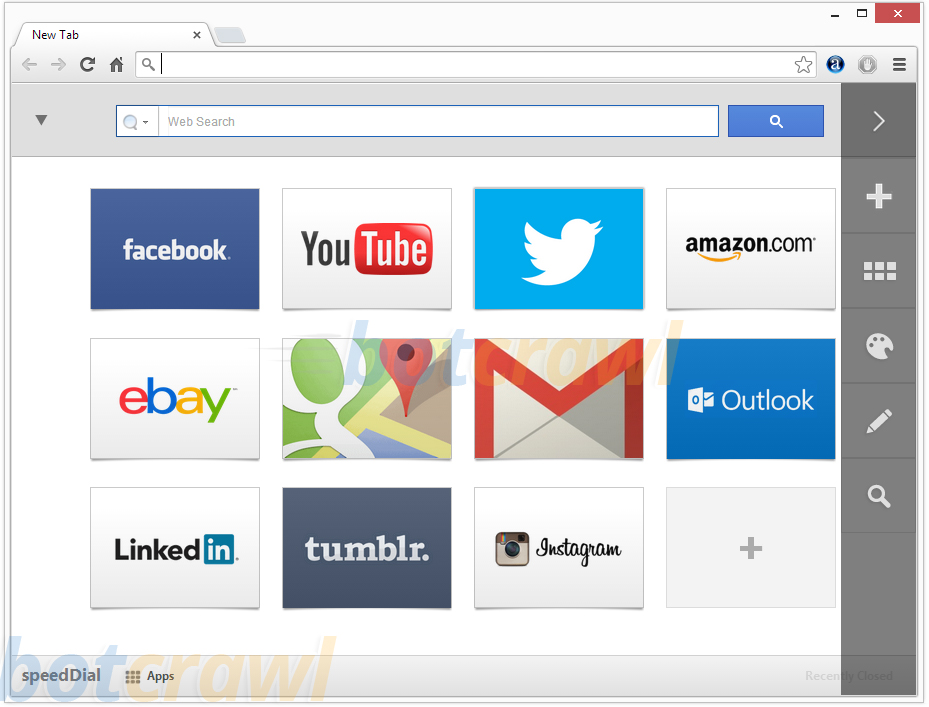
How to remove Banners Dont Work (Virus Removal Guide)

Banners Dont Work (also known as Ads by Banners Dont Work Deals) is a Potentially Unwanted Program (PUP) categorized as adware, a browser hijacker, and spyware that was published by SuperWeb LLC primarily for computers using the Microsoft Windows Operating System. This adware program attaches to Google Chrome, Mozilla Firefox, and Microsoft Internet Explorer as a browser add-on, browser helper object (BHO), and/or extension with or without user consent in order to serve targeted advertisements.

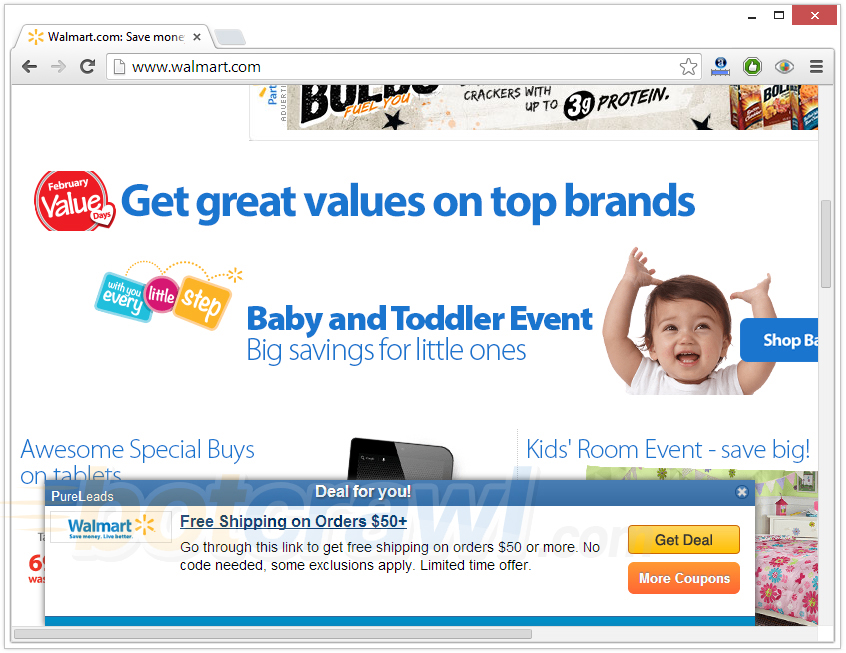
How to remove RRsavings (Virus Removal Guide)

The RRsavings virus is a term used to identify potential malware (or a PUP) categorized as adware, a browser hijacker, and spyware that primarily installs to a computer running the Microsoft Windows operating system and attaches to Google Chrome, Mozilla Firefox, and Microsoft Internet Explorer as a browser add-on, browser helper object (BHO), and extension without direct user consent. The RRsavings program may do this in order to serve targeted advertisements, which in return may create additional privacy relating issues for computer users.

How to remove Quiknowledge (Virus Removal Guide)

The Quiknowledge virus (also found as Quiknowledge Deals or Adware.Quiknowledge) is a term for a potentially unwanted program or malware found in the adware, browser hijacker, and spyware categories. Quiknowledge adware is used to collect user data in order to display targeted advertisements, which in return can create additional privacy issues.

How to remove Tika-Search (Virus Removal Guide)

The Tika-Search virus (also known as the TIka Search virus, tika-search.com redirect virus) is a term used to identify a Potentially Unwanted Program (PUP) found in the browser hijacker and adware categories of computer infections and is additionally detected as, or bundles alongside spyware. According to user reports, http://www.tika-search.com may change existing internet browser settings of Microsoft Internet Explorer, Google Chrome, and Mozilla Firefox; causing unwanted browser redirects to tika-search.com and other websites by utilizing browser attachments and Windows software including browser add-ons, browser helper objects (BHOs), and extensions.

How to remove CostMin (Virus Removal Guide)

CostMin (Cost Min) is a dangerous potentially unwanted program (PUP) and potential malware found in the adware and spyware categories of computer infections. CostMin adware displays pop-up advertisements on Google Chrome, Mozilla Firefox, and Microsoft Internet Explorer by using browser helper objects (BHOs) that download and install to a Windows machine, and browser add-ons and extensions that attach to affected browsers. Aside from unwanted advertisements, the CostMin program causes a variety of other dangerous issues.

How to remove SideCubes (Virus Removal Guide)

The SideCubes virus (also found as SideCubes Search and Side Cubes) is a Potentially Unwanted Program (PUP) identified as adware and a browser hijacker that may associate with and additionally be detected as spyware. SideCubes can be found in the form of a browser helper object (BHO), add-on, and extension and has been reported to corrupt existing internet browser settings of Google Chrome, Mozilla Firefox, Microsoft Internet Explorer, and other internet browsers, causing browser redirects to search.sidecubes.com, as well as displaying pop-up advertisements.

How to remove Record Checker (Virus Removal Guide)

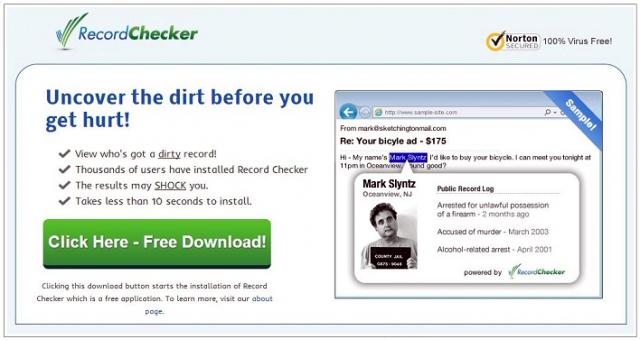
Record Checker virus (RecordChecker virus) is a term people use to identify a Potentially Unwanted Program (PUP) found in the adware and a browser hijacker categories of computer infections, risks, and threats. Potential Record Checker malware has been reported by users to change existing internet browser settings of Google Chrome, Mozilla Firefox, Microsoft Internet Explorer, and other internet browsers by utilizing Windows software, including browser helper objects (BHOs), as well as browser attachments including add-ons, extensions, and plugins.

How to remove Max-Start.com (Virus Removal Guide)

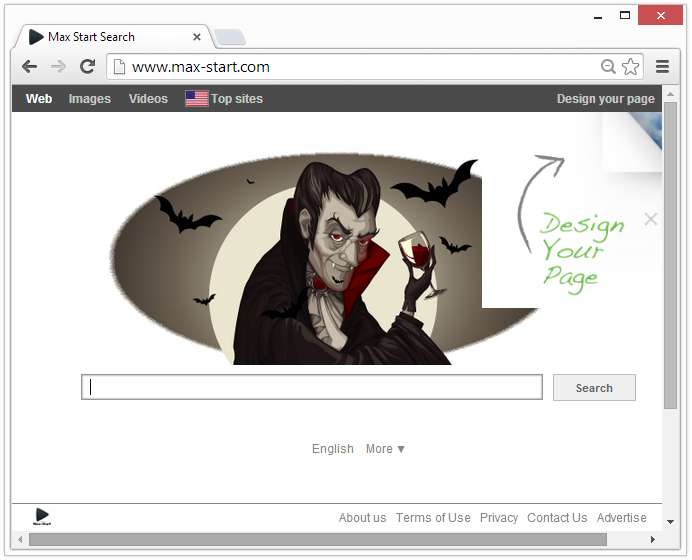
If your internet browser is redirecting to www.max-start.com, your computer and affected browsers may be infected with a Potentially Unwanted Program (PUP) found in the browser hijacker and adware categories of computer infections and is additionally detected as, or bundles alongside spyware. The Max-Start virus (also known as the Max Search virus, max-start.com redirect virus) changes existing internet browser settings of Microsoft Internet Explorer, Google Chrome, and Mozilla Firefox, including the homepage, default search engine, and browser shortcut.

How to remove HQ-V-Pro (Virus Removal Guide)

HQ-V-Pro (HQ V Professional) is a Potentially Unwanted Program (PUP) detected as adware and a browser hijacker that may associate with and additionally be detected as spyware. Potential HQ-V-Pro malware has been reported to change existing internet browser settings of Google Chrome, Mozilla Firefox, Microsoft Internet Explorer, and other internet browsers by utilizing Windows software, including browser helper objects (BHOs), as well as browser attachments including add-ons, extensions, and plugins.

How to remove NewTab Connect (Virus Removal Guide)

The NewTab Connect virus is a common term used to identify a Potentially Unwanted Program (PUP) identified as adware and a browser hijacker that may associate with and additionally be detected as spyware. Potential NewTab Connect malware has been reported to change existing internet browser settings such as the homepage and search engine, as well as generate pop-up advertisements on Google Chrome, Mozilla Firefox, Microsoft Internet Explorer, and other internet browsers by utilizing Windows software, including browser helper objects (BHOs), as well as browser attachments including add-ons, extensions, and plugins.

How to remove Speedial (Virus Removal Guide)

The SpeeDial virus (also known as the speedial.com and Spee Dial virus) is a term used to identify a Potentially Unwanted Program (PUP) and potential malware found in the browser hijacker and adware categories of computer infections . SpeeDial software is additionally detected as, or bundles alongside spyware. According to user reports, the SpeeDial virus may change existing internet browser settings of Microsoft Internet Explorer, Google Chrome, and Mozilla Firefox; causing unwanted browser redirects to speedial.com and other websites by utilizing browser attachments and Windows software including the browser add-on, browser helper object (BHO), and extension titled Speedial Toolbar.