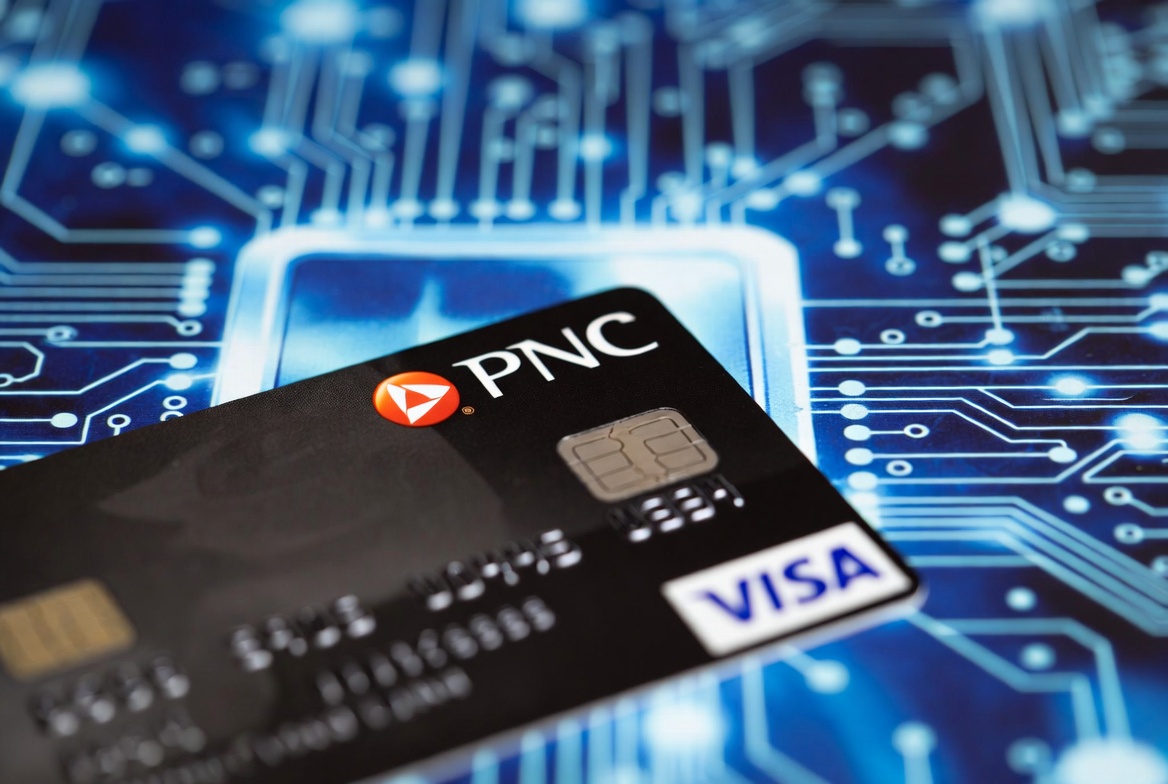

The PNC Bank data breach is an alleged incident in which a threat actor claims to be selling a massive database containing 6 million high value client profiles. According to the listing, the dataset includes detailed financial intelligence such as account funds, credit evaluations, income indicators, and ownership structure data. The attacker describes the records as being in a “clean format,” suggesting that the dataset is organized and ready for immediate use by cybercriminals seeking to target affluent individuals. The claim surfaced on a cybercrime forum alongside a 2025 timestamp, indicating that the data is presented as fresh and potentially tied to ongoing systems or third party platforms.
This listing emerges only months after a similar allegation in September 2025 when a group calling itself “Market Exchange” claimed to possess a dataset containing 740,000 PNC customer profiles. PNC Bank formally denied that earlier claim as fraudulent and emphasized that the alleged records did not originate from its systems. The new claim, however, significantly escalates the scale and sensitivity of the supposed exposure. The mention of ownership structures and credit evaluations points to systems commonly used in wealth management, commercial lending, and underwriting processes. These data fields are not typically found in standard retail banking databases, raising questions about whether the alleged PNC Bank data breach involves third party vendors, financial analytics platforms, or curated combolists masquerading as proprietary bank data.
Even if the dataset is not legitimate, the claim itself poses significant cybersecurity and fraud risks. Threat actors use high profile breach allegations to launch waves of impersonation attacks, leveraging fear and confusion to target bank customers. The appearance of a dataset allegedly containing financial funds, income details, and credit evaluations provides criminals with a template for crafting convincing phishing, vishing, and BEC attempts aimed at high net worth individuals. The PNC Bank data breach listing therefore represents a serious threat landscape development regardless of its authenticity.
Background Of The PNC Bank Data Breach Claim
The alleged dataset was advertised on a cybercrime forum known for selling high value financial information. The listing presents a broad demographic of “high value clients,” implying that the data reflects individuals with substantial assets or elevated creditworthiness. Such datasets are typically harvested from wealth management platforms, investment advisory systems, underwriting software, or third party vendors specializing in credit analysis rather than from core banking ledgers used for standard retail accounts.
The inclusion of fields such as credit evaluations and ownership structures suggests that the data may have originated from an auxiliary financial intelligence platform. Financial institutions often rely on third party partners for client profiling, asset analysis, loan underwriting, and wealth management reporting. Any of these partners could be a potential point of compromise. Threat actors sometimes exploit weaknesses in less protected partner environments to extract high sensitivity data without directly breaching core banking infrastructure.
Another possibility is that the dataset is a combolist aggregated from previous leaks, property ownership databases, financial disclosures, and public records. Attackers often compile such data and rebrand it as exclusive bank data to increase its perceived value. The dramatic increase from the previously claimed 740,000 records to 6 million records may indicate that attackers are attempting to capitalize on recent public attention by presenting a more sensationalized listing.
What Information May Be Exposed In The PNC Bank Data Breach
Based on the attacker’s description, the dataset contains financial and identity data elements that are considered extremely high risk. The fields allegedly include:
- Full names associated with client profiles
- Phone numbers and email addresses used for account communications
- Income indicators or income estimation ranges
- Credit evaluations or credit scoring data
- Ownership structure data related to properties, businesses, or investment holdings
- Financial funds or liquidity indicators
Data points such as income evaluations, ownership structures, and financial funds are often linked to high value customers who maintain investment relationships with banks. These attributes provide attackers with detailed insight into wealth levels and financial behavior. When combined with identity fields such as phone numbers and emails, attackers can launch highly personalized attacks that mimic legitimate financial communications.
Ownership structure information is particularly concerning because it can reveal details about property holdings, business entities, trust arrangements, or investment vehicles. Such data can be used to craft credible impersonation scams involving legal filings, tax claims, or corporate compliance issues. If the data is genuine, the PNC Bank data breach would expose sensitive financial intelligence not typically found in standard consumer banking datasets.
How The PNC Bank Data Breach Could Affect High Value Clients
Individuals identified within the alleged dataset face several significant risks. One of the most dangerous is whaling, a targeted form of spear phishing aimed at high net worth individuals. Attackers can use details such as income, account funds, and ownership structures to craft sophisticated messages that appear to originate from attorneys, financial advisors, tax authorities, or bank representatives. Because the messages may reference accurate financial data, victims may be more likely to respond.
Another risk involves extortion. Attackers who possess accurate financial fund information can threaten to publicly disclose wealth related details unless victims pay a ransom. High net worth individuals often face higher extortion attempt rates due to their ability to make large payments quickly. The alleged PNC Bank data breach may therefore create a new wave of financially motivated coercion if the information is genuine.
Fraud schemes involving impersonation of regulators are also likely. Threat actors may pose as representatives of the Federal Reserve, SEC, OCC, or financial crime units, claiming they must verify recent transactions or investigate suspected fraud linked to the victim’s account. These scams may prompt victims to transfer funds to “safe accounts,” provide login credentials, or disclose additional personal information.
Implications For PNC Bank And The Broader Financial Sector
The repeated appearance of alleged PNC related datasets on cybercrime forums highlights a broader pattern in which major financial institutions are increasingly used as branding tools by cybercriminals. Even when claims are fabricated, attackers exploit the credibility of well known institutions to sell data or initiate fraud campaigns. This creates reputational and regulatory challenges for banks, which must respond to public concerns and verify whether the claims involve legitimate breaches.
If the dataset advertised in the PNC Bank data breach is real, it may indicate a compromise of systems beyond the core retail banking infrastructure, potentially involving wealth management platforms, commercial lending systems, or third party underwriting partners. Financial institutions frequently rely on external vendors to process financial intelligence, conduct credit evaluations, and manage business client relationships. These third party environments can become targets for attackers if they store large quantities of sensitive information with weaker security controls.
The implications extend beyond PNC Bank. The financial sector as a whole may face increased scrutiny regarding the security of data held by wealth management and business lending platforms. Regulators may evaluate whether institutions have adequately assessed the risks posed by external partners and whether safeguards are in place to prevent large scale data exfiltration.
Legal And Regulatory Considerations
If verified, the PNC Bank data breach could trigger mandatory reporting obligations to U.S. financial regulators, including the Office of the Comptroller of the Currency (OCC), the Federal Reserve, and the Securities and Exchange Commission (SEC). Financial institutions are required to report incidents involving the unauthorized exposure of sensitive financial data, especially when the data relates to high value or institutional clients.
Regulators may investigate whether the exposed data originated from PNC Bank’s own systems or from a connected vendor. They may also evaluate whether PNC maintained appropriate security controls for wealth management or commercial lending data. If a third party vendor was the source, PNC may still be held responsible under regulatory expectations governing vendor oversight and data protection.
How PNC Bank Clients Should Respond
Individuals concerned that their information may be included in the alleged PNC Bank data breach should take immediate actions to protect their identities and financial accounts. One critical step is to implement a credit freeze with major credit bureaus. A freeze prevents unauthorized parties from opening new accounts or lines of credit using stolen financial information.
Clients should also enable verbal passwords or passphrase verification for all telephone banking interactions. This reduces the risk of social engineering, as attackers will be unable to bypass security simply by referencing accurate financial information obtained from the alleged dataset.
High net worth individuals should be especially cautious of unsolicited calls or emails referencing investments, legal issues, or compliance requirements. Attackers may attempt to pressure victims into transferring funds, sharing account credentials, or providing sensitive documents. Any suspicious communication should be verified by contacting PNC Bank directly through the contact information listed on the official website.
Botcrawl may earn a commission from purchases made through links in this article.
Clients may also consider scanning their devices with reputable tools such as Malwarebytes if they believe they may have interacted with phishing attempts or downloaded potentially malicious documents. Regular monitoring of financial statements for unauthorized activity is also recommended.
How PNC Bank Should Respond
If any portion of the dataset is confirmed to be legitimate, PNC Bank will need to initiate a comprehensive incident response effort. This includes examining internal logs, reviewing access permissions, evaluating vendor systems, and identifying whether sensitive financial data was exposed. PNC must work with regulators to document the incident and provide transparency regarding its scope.
The bank will also need to notify affected individuals, with particular emphasis on secure communication channels. High net worth clients often require additional support due to the elevated risks associated with their financial profiles. Providing guidance on credit freezes, enhanced authentication, and fraud awareness will help mitigate the immediate risks associated with the alleged PNC Bank data breach.
PNC may also need to perform independent security assessments of any third party vendors involved in wealth management or underwriting processes. Enhanced encryption, access segmentation, and stricter monitoring of sensitive data fields may be necessary to prevent future exposures.
Long Term Implications Of The PNC Bank Data Breach
Whether the dataset is genuine or fabricated, the alleged PNC Bank data breach demonstrates the increasing frequency of financial data claims on underground markets. Threat actors capitalize on public concern and brand recognition to sell data, initiate fraud campaigns, or create confusion among investors. This environment requires financial institutions to adopt proactive monitoring of dark web activity and to respond quickly to protect clients.
If the dataset is authentic, the exposure of 6 million high value client records would represent one of the most significant financial sector breaches in recent years. The long term implications could include systemic fraud risks, extensive regulatory oversight, and substantial reputational damage. Wealth management and investment related data is among the most sensitive information held by banks, and any exposure can undermine trust across the financial ecosystem.
As attackers continue to target financial institutions, banks must strengthen their security controls, particularly around high sensitivity data fields and third party vendors. The alleged PNC Bank data breach highlights the importance of continuous monitoring, rigorous vendor oversight, and rapid incident response processes to protect both institutional and individual wealth.
- ServiceNow Data Breach Exposes Customer Tenants to Unrestricted API Access
- GitHub Data Breach Confirmed After Poisoned VS Code Extension Exfiltrates Internal Repositories
- Vodafone Data Breach Claim Follows LAPSUS$ Data Leak
- Udemy Data Breach Resurfaces as 1.4M Records Circulate on Forum
- ClickUp Data Leak Shows $4B Came Before Customer Security for Over a Year

Related Posts





