
If you are an online video junkie or someone who enjoys DVDS you might occasionally come across video files with DVDRip, R5, DVDSCR, TC, TS, PDVD, and CAM in the title and wondered what these terms imply. For starters, DVDRip, R5, DVDSCR, TC, TS, PDVD, and CAM are Online video Good quality names that identify the quality of the video. Each Online video Good quality term implies something different than the other with DVDRip at the top of the quality hierarchy and CAM at the bottom.
DVDRip > R5 > DVDSCR > SCR > TC > TS > PDVD > CAM
DVDRip
DVDRip is a copy of the final released DVD of the video. DVDRips are excellent quality and are released in SVCD and DivX/XviD.
R5 (R5 Retail)
R5 refers to a certain structure of a DVD unveiled in the DVD Region 5 which is Russia or the former Societ Union. R5 video files are typically bootleg videos that are dispersed on the internet in excellent quality.
DVDSCR (DVD-SCREENER)
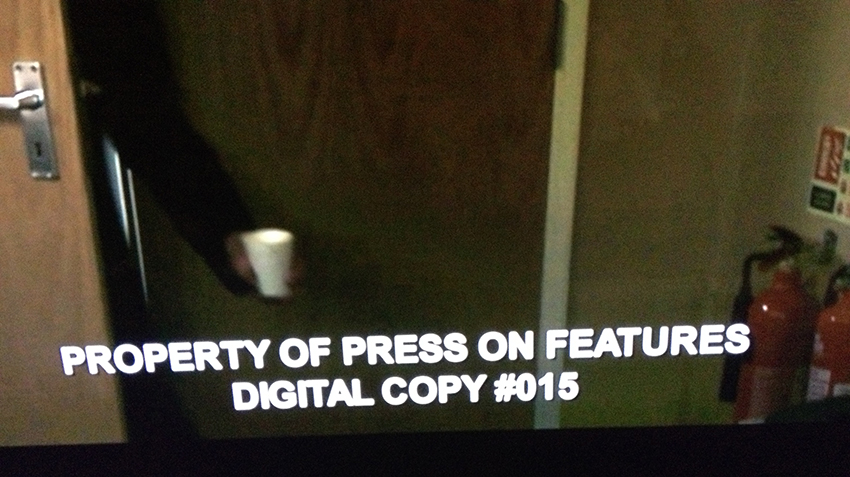
A DVDSCR video is a DVD that has been sent to a rental store, involved party, or another location for promotional use. A DVDSCR copy is usually very good quality and can be released in SVCD and DivX/XviD. The quality of the DVSSCR also depends on the skill of the person ripping the video. A DVD-SCREENER is essentially the same thing as a SCR; However, it is ripped to DVD. DVDSCR videos usually contain watermarks, other markings, and serial numbers on them.
SCR
SCR is a VHS tape that has been sent to a rental store, involved party, or another location for promotional use. SCR videos usually contain watermarks, other markings, and serial numbers on them. The quality of a SCR video depends on the equipment used and can range from excellent if done from a master copy or very poor if done on an old VHS recorder through poor capture equipment.
TC (Telecine Copy)

TC refers to a telecine machine copy of a film recorded straight from the film reels. The telecine process is commonly used by filmmakers to transfer production footage to video, which can then be captured by various non-linear digital editing systems such as Avid or Final Cut Pro. The sound and picture quality of a TC video should be very good; However, due to the equipment involved and costs telecine copies are fairly uncommon. The film is usually in correct aspect ratio, although 4:3 telecines are frequently used.
TS (Telesync)
TS is similar to a CAM but is filmed with different conditions and uses an external audio source (audio jack in the theater chair, direct audio line); However, TS does not ensure good audio quality. A TS video is typically filmed inside an empty movie theater (cinema) or from the projection booth with a professional grade camera. TS videos are usually have better video quality than that of a CAM due to better filming conditions.
PDVD (Telesync encoded DVD)
PDVD usually refers to an asian silver or, TS copy of a movie, that has been encoded to DVD.
CAM

CAM refers to a video recorded by a digital video camera inside a movie theater (cinema). The audio is taken directly from the camera’s microphone and the sound of the theater’s audience can often be heard talking, laughing, or clapping. The video ripper might use a tripod or record the video manually which can cause the camera to shake. A CAM version of a video might also be filmed from an angle or from different locations. Due to the factors of a CAM video the audio and picture quality is usually very poor.
- How to Remove the “Drop Here to Share, Move, or Do More” Popup in Windows 11
- Microsoft Confirms Windows 11 Shutdown Bug After January Update
- Manus AI Is the First Agent That Can Read Your Files Through Windows’ New Agent Connector
- Windows 11 AI Feature Sparks Privacy Concerns After Gaining Access to Personal Folders
- Microsoft Confirms “Update and Shut Down” Was Actually Restarting Windows 10/11 and Patches the Bug

Related Posts