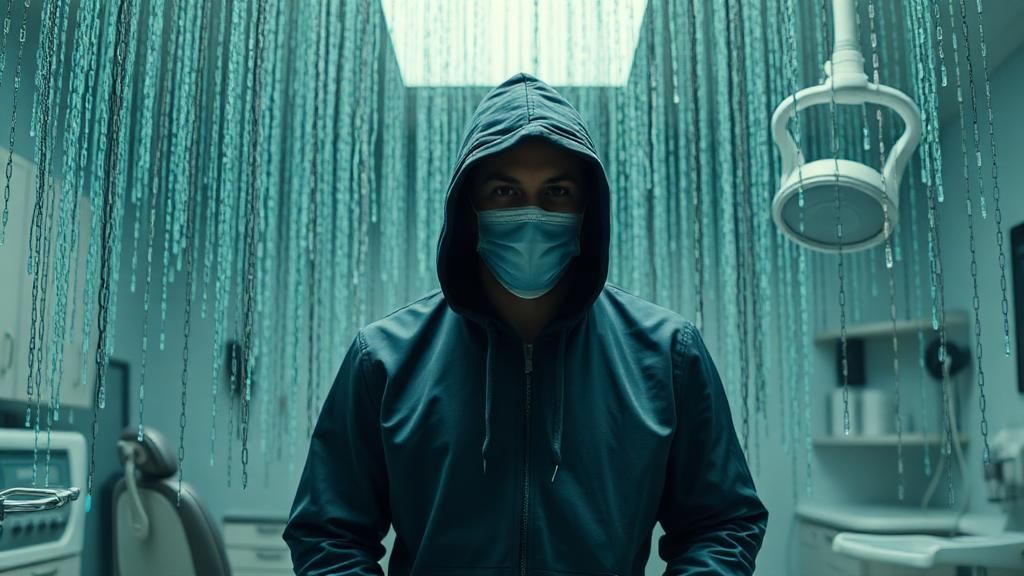

The Kim Dental data breach has been reported after a ransomware group added Kim Dental Co., Ltd. to its leak portal, claiming to have stolen confidential patient records, treatment files, corporate documents, and internal operational data. As one of Vietnam’s largest dental chains, serving patients across multiple clinics and provinces, a breach of this scale places sensitive medical information, financial records, and business operations at risk. Early indications suggest that threat actors exfiltrated large volumes of data before issuing extortion demands.
Background on Kim Dental Co., Ltd.
Kim Dental is one of Vietnam’s most prominent dental-care networks, operating clinics across Ho Chi Minh City and surrounding regions. The company provides general dentistry, orthodontics, implants, cosmetic procedures, medical imaging, and long-term treatment plans for thousands of patients annually.
As a large medical provider, Kim Dental stores protected health information, medical imaging, treatment histories, payment details, appointment records, employee files, and internal administrative documents. Medical providers in Vietnam are required to maintain strict documentation standards and follow regulatory expectations for clinical safety, patient privacy, and healthcare information management.
This makes major dental chains high-value targets for ransomware groups, who often leverage stolen medical data due to its long-term fraud value, immutability, and resale potential. The Kim Dental data breach could therefore affect patients, employees, insurers, and numerous internal business partners.
Description of the Kim Dental Data Breach
According to the ransomware listing, attackers claim to have accessed internal servers, extracted sensitive files, and added Kim Dental to their public leak site. The group posted proof-of-compromise samples to demonstrate authenticity and is threatening full publication if negotiations fail.
Ransomware operations targeting healthcare providers typically follow a familiar pattern: attackers infiltrate networks, exfiltrate patient data, encrypt local systems, and demand payment to prevent the leak. Even if systems are restored, exfiltrated data can still be published or sold, creating long-term identity, privacy, and security risks.
Technical Breakdown of Potentially Stolen Data
Based on similar healthcare-sector intrusions, the stolen Kim Dental data may include:
- Patient medical records and treatment plans
- Dental imaging files, X-rays, and scan archives
- Appointment histories and clinical notes
- Billing records and insurance documentation
- Employee HR data, payroll documents, and identification files
- Internal administrative communications and clinic management documents
- Operational details involving suppliers, partners, and contractors
Medical providers rely heavily on interconnected software systems, cloud records, imaging servers, and patient-management platforms. A compromise affecting any of these environments can expose a significant amount of private data. Healthcare records are especially valuable because they contain permanent identifiers that cannot be changed, unlike passwords or credit cards.
Threat Actor Activity and Leak Site Listing
The ransomware group responsible for adding Kim Dental to their portal has previously targeted healthcare, finance, services, and industrial organizations. These groups often maintain structured leak sites where victims are listed along with countdown timers that escalate pressure to pay ransom demands.
If Kim Dental refuses to negotiate, the attackers may publish full archives, which could include thousands of patient files and corporate documents. Once published, the data may circulate across criminal forums, fraud channels, and dark web markets indefinitely.
Regulatory and Legal Implications
The Kim Dental data breach may invoke several legal and regulatory requirements under Vietnamese law and health-sector governance frameworks. Healthcare facilities must comply with:
- Vietnam’s Law on Cybersecurity
- Decree 53 on data processing and breach-reporting obligations
- Ministry of Health regulations governing medical record safety
- Personal data-protection requirements for sensitive information
If patient information, identity documents, or financial files were exposed, Kim Dental may be required to notify authorities, conduct forensic audits, improve security controls, and inform affected individuals. Regulatory oversight may follow to evaluate whether the organization adhered to expected cybersecurity and medical-data protection practices.
Industry-Specific Risks to Patients and Healthcare Networks
Healthcare-sector breaches present unique risks due to the nature of medical information. Data from the Kim Dental data breach could enable:
- Identity theft using personal identifiers and health records
- Fraud involving insurance claims or medical-benefit abuse
- Targeted extortion of patients whose sensitive treatment data was exposed
- Phishing attacks using healthcare-specific lures
- Social engineering targeting clinic staff, suppliers, and partners
Healthcare data is difficult to contain once leaked and often becomes part of long-term criminal profiles used across global fraud ecosystems.
Supply Chain and Infrastructure Impact
Kim Dental relies on clinical software providers, imaging platforms, insurers, laboratory services, and third-party vendors to support daily operations. If the attackers accessed configuration files, integration keys, insurance documents, or vendor contracts, secondary organizations could also face increased exposure.
Potential downstream risks include:
- Compromise of partner systems connected through shared accounts or APIs
- Fraud attempts against insurers or payment processors
- Targeted phishing campaigns against suppliers or laboratories
- Unauthorized access to interconnected clinical platforms
Healthcare ecosystems are tightly interlinked. A breach in one organization can create cascading exposure for multiple entities.
Mitigation and Response Strategies
A healthcare data breach demands a comprehensive and disciplined response involving containment, analysis, patient protection, and long-term security improvements. These steps support patients, IT teams, administrators, and partners who may be affected.
Immediate Actions for Healthcare Providers
- Isolate compromised servers and workstations to prevent further data loss
- Preserve forensic evidence including logs, disk images, and memory captures
- Reset administrative credentials, VPN keys, cloud accounts, and privileged access controls
- Activate emergency procedures for clinical workflow continuity
- Review authentication logs for unusual access patterns
Forensic and Technical Analysis
- Identify initial access methods such as phishing or exposed services
- Map attacker movement across imaging servers, patient systems, and administrative networks
- Determine whether backup systems were accessed or manipulated
- Analyze exfiltrated data paths and encrypted transfer channels
- Reconstruct the threat timeline for legal and regulatory documentation
Long-Term Hardening for Medical Networks
- Implement identity protections including strict MFA and conditional access
- Segment networks separating imaging servers, EMR systems, and administrative workloads
- Deploy EDR solutions to detect unauthorized activity and persistence
- Monitor file integrity across patient records and imaging repositories
- Train clinical and administrative staff to identify targeted phishing attempts
Guidance for Affected Patients
- Monitor financial accounts, insurance activity, and medical records for irregularities
- Watch for personalized phishing emails referencing dental visits or procedures
- Update passwords for any accounts associated with the clinic
- Use reputable security software to scan devices for malware
Individuals and organizations concerned about possible malware exposure should consider scanning their systems with tools such as Malwarebytes to detect and remove threats.
Long-Term and Global Implications
The Kim Dental data breach highlights the growing pressure placed on healthcare providers across Asia as ransomware operators continue to target medical networks. With the value of healthcare records increasing on criminal markets, attackers may escalate their focus on clinics, hospitals, and specialized treatment providers.
Events like this reinforce the need for proactive cybersecurity investment, operational monitoring, secure medical-record systems, and coordinated response strategies across healthcare ecosystems.
For verified coverage of major data breaches and the latest cybersecurity threats, visit Botcrawl for ongoing updates and expert analysis.
- GitHub Data Breach Confirmed After Poisoned VS Code Extension Exfiltrates Internal Repositories
- Vodafone Data Breach Claim Follows LAPSUS$ Data Leak
- Udemy Data Breach Resurfaces as 1.4M Records Circulate on Forum
- ClickUp Data Leak Shows $4B Came Before Customer Security for Over a Year
- Rheem Manufacturing Data Breach Claim Follows Reported INC Ransom Listing

Related Posts