

GuestTek Data Breach Exposes 92 GB Of Hospitality Network And Guest Connectivity Files
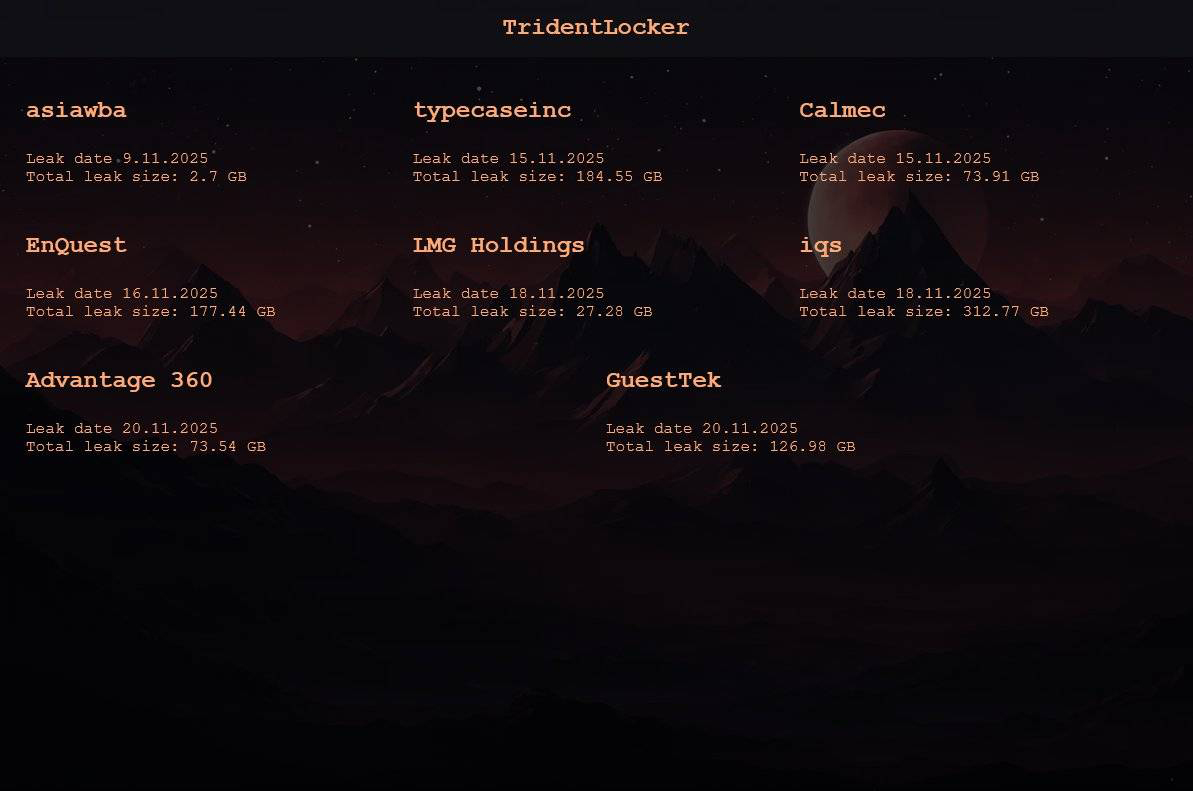
The GuestTek data breach is an alleged ransomware incident involving the theft and posting of 92 GB of internal documents belonging to GuestTek Interactive Entertainment Ltd., a Canada based provider of hospitality technology platforms, including guest internet services, IPTV systems, network infrastructure solutions, and hotel connectivity management. The emerging TridentLocker ransomware group has listed GuestTek among its first victims and claims to possess engineering documents, operational files, internal configurations, customer related materials, and platform support data. A countdown on the group’s dark web portal signals an intent to publicly release the archive if the ransom demand is not met.
The GuestTek data breach arrives at a critical moment for the hospitality technology sector. Hotels, resorts, and property owners rely heavily on vendors like GuestTek for guest internet access, WiFi authentication, IPTV distribution, centralized monitoring, and network infrastructure. A compromise involving platform documentation or customer support archives can create operational, privacy, and reputational risks for hundreds of properties across multiple regions. Because GuestTek works with well known hotel brands and global property groups, the downstream impact of this incident could extend far beyond the compromised vendor itself.
Overview Of The GuestTek Data Breach
The first public indication of the GuestTek data breach appeared on the TridentLocker leak portal, where attackers posted the company name, a brief description, and the declared size of the data archive. The listing states that 92 GB of internal documents were exfiltrated, including configuration files, product related materials, system documentation, and possibly information tied to GuestTek’s managed hotel deployments. The group also published a visible countdown timer, a tactic widely used in double extortion campaigns to apply pressure on victims by threatening imminent publication of stolen files.
GuestTek provides a wide range of hospitality technology systems, including high speed guest internet access, IPTV entertainment systems, network management platforms, authentication gateways, and property wide connectivity solutions. These systems involve complex integration work, deployment notes, network maps, server configurations, API references, and vendor support documentation. If such materials were included in the archive claimed in the GuestTek data breach, the exposure could reveal details about how hotel networks are structured, how guest access is authenticated, and how IPTV or bandwidth management systems are configured.
GuestTek has not yet issued a public statement acknowledging the intrusion. This is common early in ransomware attacks, especially when the affected company is still determining the scale of the breach. Ransomware groups often publish information before victims have completed their internal investigations. The GuestTek data breach fits this pattern, with attackers attempting to shape the narrative before any official disclosure is available.
The Role Of TridentLocker In The GuestTek Data Breach
TridentLocker is a newly observed ransomware operation that recently posted its first eight victims across multiple industries, including manufacturing, marketing, telecom software, engineering, and hospitality technology. The GuestTek data breach represents one of the first incidents associated with this group that affects a widely used technology provider in the hotel and lodging sector.
Although the exact method of entry remains unknown, TridentLocker appears to employ common techniques used in modern ransomware operations. These methods may include phishing emails, stolen credentials, exploitation of remote access services, vulnerabilities in VPN appliances, or outdated software within corporate networks. Once attackers obtain initial access, they typically move laterally to identify servers containing sensitive documents, support materials, or customer related data. The stolen files are then uploaded to attacker controlled storage as part of a double extortion model.
The group’s decision to list multiple high level business service providers early in its public activity suggests that TridentLocker is pursuing visibility to establish credibility. The GuestTek data breach plays into this strategy because the company operates across numerous hotel brands and regional markets, making it a high profile target with a large potential downstream impact.
What Data May Be Included In The GuestTek Data Breach
While the attackers have not published sample files at the time of writing, the 92 GB archive referenced in the GuestTek data breach listing likely contains numerous internal resources. Hospitality technology providers often store extensive documentation for property deployments, system updates, network changes, and customer support interactions. The stolen materials may include:
- Internal network diagrams, VLAN maps, and property wide connectivity layouts
- Guest internet authentication documentation and captive portal configuration details
- IPTV system specifications, channel distribution diagrams, and middleware related files
- Deployment notes and configuration templates for hotel WiFi infrastructure
- Support tickets, troubleshooting logs, and communication with hotel IT teams
- Firmware notes, update logs, and platform integration materials
- Internal emails, engineering discussions, and collaboration documents
- Vendor agreements, customer project folders, and implementation schedules
If customer identifiable material or property specific network details were included in the archive, the GuestTek data breach could expose operational information about hotels’ internal networks. That kind of exposure could be valuable to other cybercriminals who may target these properties in follow up attacks.
How The GuestTek Data Breach May Affect Hotels And Hospitality Partners
Hotels and properties that rely on GuestTek platforms may face elevated risks depending on what information was compromised. If deployment documentation or configuration files were included in the GuestTek data breach, attackers could gain insight into the structure of hotel networks, including WiFi controllers, authentication gateways, IPTV servers, and bandwidth management systems. This type of information can assist criminals in identifying vulnerabilities or conducting targeted intrusions.
Additionally, many hotels submit support logs, ticket history, and diagnostic materials to GuestTek as part of their service agreements. These logs can include MAC addresses, IP ranges, internal device lists, or references to property specific equipment. If these materials were exposed, threat actors could use them to craft targeted phishing campaigns or social engineering attempts that appear legitimate and specific to hotel IT environments.
Some hotels also rely on centralized authentication or property management system integration for guest internet access. If related documentation or integration references were present in the GuestTek data breach, attackers may gain insight into how guest devices are onboarded or validated on the network.
How The GuestTek Data Breach Could Affect Employees
Employees at GuestTek may also be impacted if internal HR documents, payroll files, resumes, or personal contact information were included in the stolen archive. Technology companies often store internal administrative documents on shared servers. If these were accessed during the GuestTek data breach, employees could face risks such as identity theft, targeted phishing, or fraudulent contact attempts that reference internal company details.
Engineering communications or internal support discussions may also be sensitive if leaked. Attackers sometimes publish employee emails or isolated conversations to increase pressure during ransom negotiations. While this behavior is not yet confirmed in the GuestTek data breach, it is consistent with extortion tactics used in other ransomware campaigns.
Legal And Regulatory Considerations
The legal implications of the GuestTek data breach depend on the nature of the exposed information. If customer related materials or personal information belonging to hotel guests or staff were included in the archive, GuestTek may be subject to various privacy notification requirements. These requirements vary by region but typically mandate timely reporting, detailed disclosures, and recommended protective measures for affected individuals.
Because GuestTek operates internationally and serves clients across multiple jurisdictions, notification responsibilities may extend to hotel groups in the United States, Canada, Europe, and Asia. Customer properties may also need to assess their own compliance obligations if data stored on GuestTek systems pertains to their guests or operations.
Insurance obligations may also apply. Cyber insurance carriers often require forensic reports, documentation of remediation steps, and verification that compromised systems have been secured. This process can be time consuming and may require cooperation across internal teams and external experts.
Why Hospitality Technology Providers Are Frequent Targets
The GuestTek data breach highlights a larger trend of ransomware groups targeting hospitality technology vendors. Hotels and resorts depend on third party providers to manage critical connectivity systems, meaning a vendor compromise can affect multiple properties simultaneously. This amplifies the impact of an attack and increases the leverage criminals have during extortion attempts.
Hospitality technology systems often involve integrated networks, legacy equipment, on premise devices, and distributed deployment models. These environments can be difficult to secure uniformly, especially when deployment practices vary from property to property. Attackers understand that platform providers like GuestTek hold valuable technical documentation that can reveal how these complex environments are structured.
The hospitality sector is also highly sensitive to service disruptions. Any downtime affecting guest internet access, IPTV systems, or connectivity tools can result in immediate customer dissatisfaction. This urgency increases the pressure on targeted companies to resolve incidents quickly.
Recommended Response Steps After The GuestTek Data Breach
If the GuestTek data breach is confirmed, the company will need to take immediate steps to contain the intrusion. This may involve isolating compromised servers, suspending affected accounts, and preventing further data exfiltration. Digital forensics teams can then analyze logs and reconstruct the attack timeline, identifying how the attackers gained access and what systems were affected.
Recovery steps may include rebuilding servers from clean backups, reviewing network access permissions, applying security patches, and strengthening authentication controls. Because ransomware groups often leave behind persistence mechanisms, GuestTek will need to ensure that recovered systems are fully sanitized before returning to normal operations.
Clear communication with hotel customers will be essential. Properties relying on GuestTek services may need guidance on verifying their own systems, monitoring for suspicious access attempts, and reviewing integration points referenced in internal documentation. Some customers may request detailed assessments, security recommendations, or assurances regarding their operational data.
What Hotels And Partners Should Do After The GuestTek Data Breach
Hotels and partners should take several precautions in the wake of the GuestTek data breach. These include reviewing internal networks for unusual activity, resetting passwords on shared platforms, and examining access logs on systems that integrate with GuestTek platforms. Properties should also be cautious of fraudulent communication that impersonates GuestTek support personnel or references legitimate project details.
Hotels may also consider reviewing their network segmentation, updating passwords associated with WiFi controllers or IPTV systems, and verifying that no unauthorized configuration changes have been made. If deployment notes or configuration files were compromised, some properties may need to adjust internal documentation or update device settings to reduce exposure.
Ongoing Monitoring And Future Outlook
The situation surrounding the GuestTek data breach will continue to develop as more details become available. Ransomware groups often release partial samples, extend ransom deadlines, or publish full archives depending on negotiation outcomes. Security researchers and affected hotel groups will be monitoring the TridentLocker leak portal for updates. Even if the stolen data is not released immediately, archives can resurface months later in unrelated leaks, threat actor exchanges, or criminal marketplaces.


