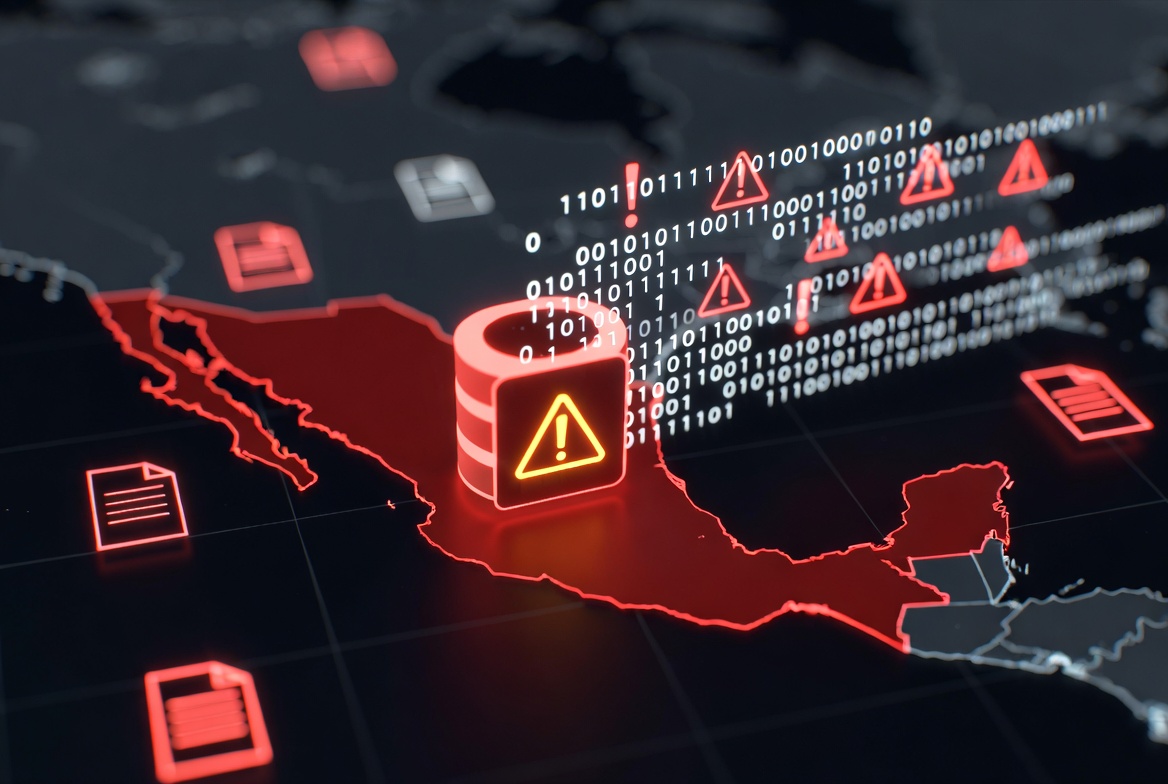
The Farmacia San Pablo data breach refers to an alleged cybersecurity incident in which the Qilin ransomware group claims to have compromised systems associated with Farmacia San Pablo. The claim appeared on January 2, 2026, when the group added the company to its leak site and labeled it as a victim. At the time of writing, Farmacia San Pablo has not issued a public statement confirming a breach, and no independently verifiable evidence has been released alongside the listing.
Farmacia San Pablo is a major pharmacy and retail health brand in Mexico, with consumer-facing operations that typically involve customer accounts, online ordering, delivery workflows, and store-level transactions. Because pharmacy chains can handle sensitive customer details, even an unverified ransomware claim can create real downstream risk if stolen data is later sold, reused, or used to support targeted social engineering.
Background on Farmacia San Pablo
Farmacia San Pablo operates as a large retail pharmacy chain offering prescription medications, over-the-counter products, and health-related services through physical locations and an online storefront. Like most modern pharmacy retailers, the business relies on IT systems that may include e-commerce platforms, customer support tools, loyalty or marketing systems, and internal operational systems for inventory, fulfillment, and vendor management.
Pharmacies sit in a higher-risk category because attackers often view them as a source of high-value personal data. Even when clinical records are not involved, retail pharmacy data can still include identifiers and purchase context that make scams far more convincing.
What Was Claimed on January 2, 2026
The Qilin ransomware group listed Farmacia San Pablo as a victim on January 2, 2026. Based on what was observable in the listing provided, the post did not include supporting proof such as sample files, a stated data volume, or a detailed description of what was allegedly taken. Without those elements, the claim cannot be validated from the listing alone.
Ransomware groups sometimes publish only the victim name first, then add detail later if negotiations stall or if pressure tactics escalate. In other cases, listings can reflect partial access, attempted compromise, or recycled claims. For this reason, the incident is best treated as pending verification until corroborating evidence or an official disclosure emerges.
Scope and Composition of Potentially Exposed Data
No dataset has been confirmed as leaked. However, when pharmacy and retail healthcare brands are targeted, exposures often involve a mix of customer-facing and internal business information depending on which systems were accessed.
If a compromise occurred, data types that commonly appear in incidents involving retail pharmacy environments can include:
- Customer names and contact information such as email addresses and phone numbers
- Online account data, including usernames and password hashes, if authentication systems were accessed
- Order and delivery records, which may reveal purchasing patterns and delivery addresses
- Customer service tickets or communications that include personal details
- Internal operational documents, supplier records, and administrative files
If prescription-related information or health service records were involved, the privacy impact would be significantly higher. At this stage, there is not enough evidence to state that such data was accessed.
Risks to Customers and the Public
Even when ransomware claims are unverified, customers can still become targets because attackers and opportunistic scammers often use public breach chatter to launch impersonation campaigns. For a pharmacy brand, common follow-on abuse patterns can include phishing messages that reference deliveries, prescriptions, refunds, or account verification.
Risks that may follow incidents of this type include:
- Phishing emails or SMS messages impersonating Farmacia San Pablo to collect credentials or payment details
- Credential stuffing attempts if password hashes or reused credentials were exposed elsewhere
- Identity fraud if personal identifiers and contact details are later bundled into larger datasets
- Payment-related scams tied to fake refunds, fake delivery issues, or fake prescription alerts
The practical risk is often highest in the weeks after a claim becomes public, when scam campaigns spike and users are more likely to believe urgent messages.
Threat Actor Behavior and Credibility Indicators
Qilin is associated with ransomware activity and typically uses extortion pressure through victim postings and the threat of publication. Credibility varies case-by-case. The strongest credibility indicators are usually consistent victim listings, clear proof samples, and corroboration from the victim organization or regulators.
In this case, the listing alone does not provide enough detail to treat the claim as confirmed. The most responsible posture is to treat it as a risk signal while waiting for evidence that supports the scope and authenticity of the breach.
Possible Initial Access Vectors
Farmacia San Pablo has not published technical details. In incidents affecting retail and consumer-facing businesses, initial access commonly involves one or more of the following patterns:
- Compromised credentials obtained from prior breaches or malware
- Exposed remote access services or poorly secured admin panels
- Vulnerable web applications supporting e-commerce or customer services
- Third-party compromise affecting vendors, hosting, or support tooling
- Phishing against employees with access to internal systems
These are general patterns and should not be interpreted as a statement about the actual cause in this incident.
Mitigation Steps for Farmacia San Pablo
If Farmacia San Pablo confirms unauthorized access, the response typically needs to focus on containment, evidence preservation, and scoping, followed by defensive hardening. Actions that are commonly appropriate in incidents of this type include:
- Conducting forensic investigation to identify entry point, affected systems, and the timeline of access
- Resetting credentials and rotating keys, tokens, and API secrets that may have been exposed
- Reviewing e-commerce, customer account, and support systems for abnormal access patterns
- Implementing enhanced monitoring and alerting for credential stuffing and account takeover attempts
- Assessing notification obligations under applicable privacy and consumer protection requirements
Clear customer communication becomes critical if there is confirmed exposure, especially if scams begin circulating using the brand name.
Recommended Actions for Customers
Until the claim is confirmed or disproven, customers should prioritize practical precautions that reduce the risk of follow-on scams:
Botcrawl may earn a commission from purchases made through links in this article.
- Treat unsolicited messages about prescriptions, deliveries, refunds, or “account verification” as suspicious
- Do not click links in unexpected emails or texts, and avoid entering credentials through message links
- Access accounts by typing the official site address directly or using a saved bookmark
- Change passwords if the same password is used on multiple sites, and enable MFA where available
- Monitor payment accounts for unusual activity and investigate unexpected charges promptly
- Scan devices for malware using a trusted tool such as Malwarebytes
These steps are protective regardless of whether the breach is ultimately confirmed, because they address the most common secondary abuse patterns.
Status and Ongoing Monitoring
As of January 2, 2026, the Farmacia San Pablo data breach remains an unverified claim based on a ransomware group listing. No supporting proof was provided in the observed listing, and no public confirmation from Farmacia San Pablo has been identified within the information provided here. This may change if the threat actor publishes samples, if customers begin receiving related scam campaigns, or if the company issues a formal disclosure.
For continued coverage of emerging data breaches and related developments in cybersecurity, further updates will be published as verifiable information becomes available.