Selected-search.com virus
Selected-search.com virus is a term used to describe a specific browser hijacker infection that modifies an internet browser’s existing settings. For example, the browser hijacker infection may replace the homepage with selected-search.com to make a browser open on the website every time it starts. The infection is typically caused by a potentially malicious browser attachment (add-on, extension, or plugin) that has attached itself to the modified web browser and/or malware that has infected the computer.

Potentially malicious browser attachments are used to modify browser settings to make them redirect to selected-search.com and track users online. The associated browser attachments collect user data that may be shared and sold on the dark web. Information may include what is searched for online, websites visited, data inputted into websites, names, addresses, email addresses, social media associations, and more. The attachments can also collect such information while the browser is in incognito mode which is known for privacy.
A concern about browser redirects to selected-search.com is that it may be caused by malware. When malware infects a computer it may install the associated browser attachment without detection. The only way to stop this kind of threat from occurring is to stay alert and follow online safety guidelines or to use a reputable security program with real-time protection against active threats such as Malwarebytes Premium.
How to remove Selected-search.com (Virus Removal Guide)
Follow the instructions to remove the selected-search.com virus and stop unwanted browser redirects to selected-search.com and other websites.

Remove browser attachments
Browser add-ons and extensions may have permissions that allow them to perform tasks users may find unwanted. We recommend that you check for unwanted browser add-ons and extensions on each internet browser installed on your computer. If you find a suspicious browser add-on or extensions make sure to disable and remove it.
Google Chrome
1. Open the menu  and go to More tools > Extensions
2. Click the Remove button
Mozilla Firefox
1. Open the menu and go to Add-ons
2. Click the Remove button

Scan your computer for malware and viruses
Malware, adware, spyware, ransomware, potentially unwanted programs, and viruses may be present on your computer. We recommend that you scan your computer with Malwarebytes to detect and remove known threats.
Botcrawl may earn a commission from purchases made through links in this article.
1. Malwarebytes. Malwarebytes will seamlessly guide you through the quick installation process.
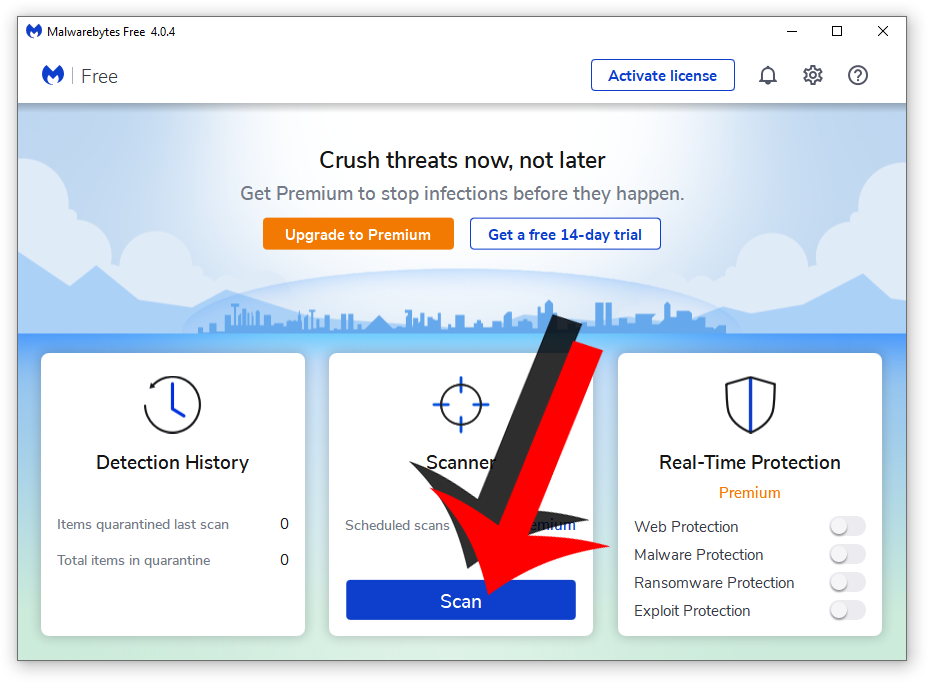
2. Once Malwarebytes is installed, click the blue Scan button to begin scanning your computer for malware, viruses, and potentially unwanted programs. The scan may take several minutes to complete.

3. When the scan is complete, click the Quarantine button to remove all threats detected by Malwarebytes.
4. Reboot your computer.

Cleanup
Tracking files allow bad guys to track you online and changes to the Windows registry can cause numerous problems. Clean up your computer’s registry, remove tracking files, and remove junk files from your computer with CCleaner by Piriform.
1. Download and install CCleaner. CCleaner will seamlessly guide you through the quick installation process.

2. Once CCleaner is installed, click the Take my PC Health Check button or go to Health Check > Next and follow the instructions to begin checking your PC’s health.
3. When the scan is complete, click Make it better button to remove trackers, remove junk files, disable startup apps, and more.

4. Go to Registry and click Scan for Issues to check your computer for registry issues.
5. When the scan is complete, click Fix selected Issues, backup the registry, and click Fix Issue or Fix All Issues.
- Shai-Hulud Malware Clone Powers New Npm Infostealer and DDoS Campaign
- FBI Seeks Info in Steam Malware Investigation
- GhostPoster Browser Extensions Reached 840,000 Installs Before Removal From Stores
- Kimwolf Android Botnet Exploits Residential Proxies to Breach Internal Networks
- ClickFix Attack Uses Fake Windows BSOD Screens to Deploy Malware

Related Posts