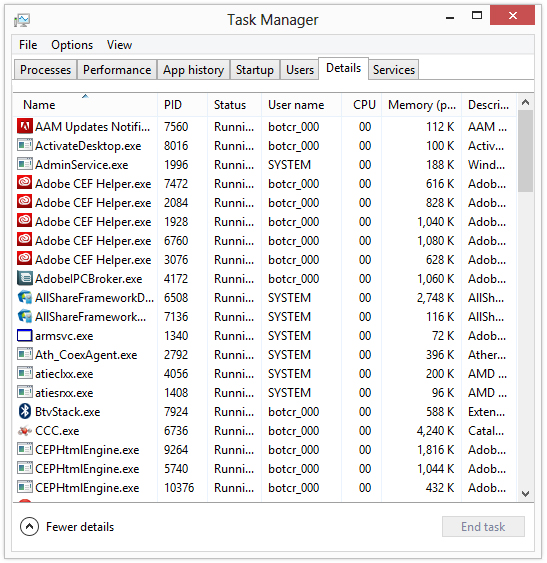

 Poweliks is a trojan horse that primarily downloads and executes other malware, including ransomware like the FBI virus. The Poweliks trojan downloader is frequently contracted via exploit kits found on hacked websites, email links and attachments, torrents, and other locations.
Once a computer becomes infected with the Poweliks trojan downloader the computer user may experience a variety of symptoms. Users may not be able to connect to the internet, Windows desktop may become restricted, computers may become sluggish, and more.
| Win32:Poweliks-A [Trj] | Avast |
| Win32/Poweliks.A Win32/Poweliks.B |
ESET-NOD32 |
| Trojan:Win32/Powessere.A | Microsoft |
| Trojan.Poweliks | Symantec |
| Trojan.Win32.Powerliks.a | Kaspersky |
| Trojan.Poweliks.A | F-Secure |
| TROJ_POWELIKS.A | Trend Micro |
| Trojan.Poweliks.A | BitDefender |
How to remove Poweliks (Trojan)
This Poweliks removal guide will help you completely remove the Poweliks virus, malware, unwanted programs from your computer. If you need assistance removing the Poweliks trojan please call our toll free number at 1-888-879-0084.
Step 1: Scan your computer for malware
1. We recommend that you write down the toll free number below in case you run into any issues or problems while removing Poweliks. Our techs will kindly assist you with any problems.
if you need help give us a call
2. Install the free or full version of Malwarebytes Anti-Malware. The full version enables real-time protection to block malware and unwanted programs from infecting your computer, while the free version is just a free scan and removal tool.


3. Once Malwarebytes is installed, run the Anti-Malware program. Malwarebytes may automatically begin to update and scan your computer at this point.

4. Once Malwarebytes has been opened, if a scan or update has not automatically initiated, please click the large Scan Now button or visit the “Scan” tab to manually run a scan. Before the scan is started Malwarebytes may ask to update the software, make sure to do so if prompted to.
5. Once the scan is complete, click the Quarantine All button to isolate and remove the detected files. You may be asked to reboot your computer after removal to completely remove detected files.

6. You can chose to visit the History tab and click Delete All to remove these files from the Quarantine log, although these files no longer provide a threat.
Step 2: Cleanup and repair settings
1. Install the free or full version of CCleaner by Piriform.

2. Once installed, open the program and navigate to Cleaner > Windows/Applications and click the Analyze button. Afterwards, click the Run Cleaner button on the bottom right of the program interface.
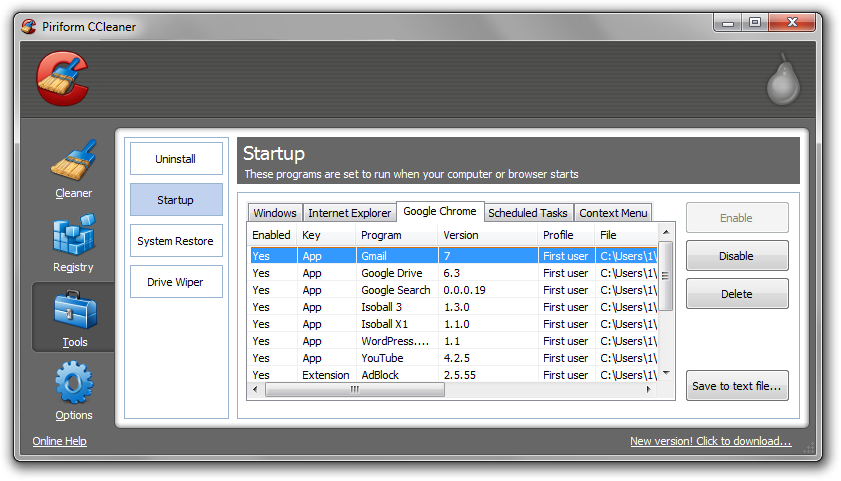
3. Next, navigate to Tools > Startup and search through each tab starting from windows, internet explorer, etc., all the way to Content Menu, for additional suspicious entries and click Disable and Delete once anything is found.

Related Posts

Cloudflare Says Anthropic Mythos Can Chain Bugs Into Working Exploits
Cloudflare says Anthropic’s Mythos Preview can move beyond finding isolated software bugs and combine smaller vulnerabilities into working exploit chains, a shift that changes…
Read article
DigiCert Revokes 60 Code Signing Certificates After Support Malware Incident
DigiCert revoked 60 code signing certificates after a malware incident involving its customer support team gave an attacker access to initialization codes for pending…
Read article
ClickUp Data Leak Shows $4B Came Before Customer Security for Over a Year
A researcher known as Impulsive says ClickUp exposed customer emails, internal feature flags, and sensitive configuration data through a public-facing setup anyone could reach…
Read article